
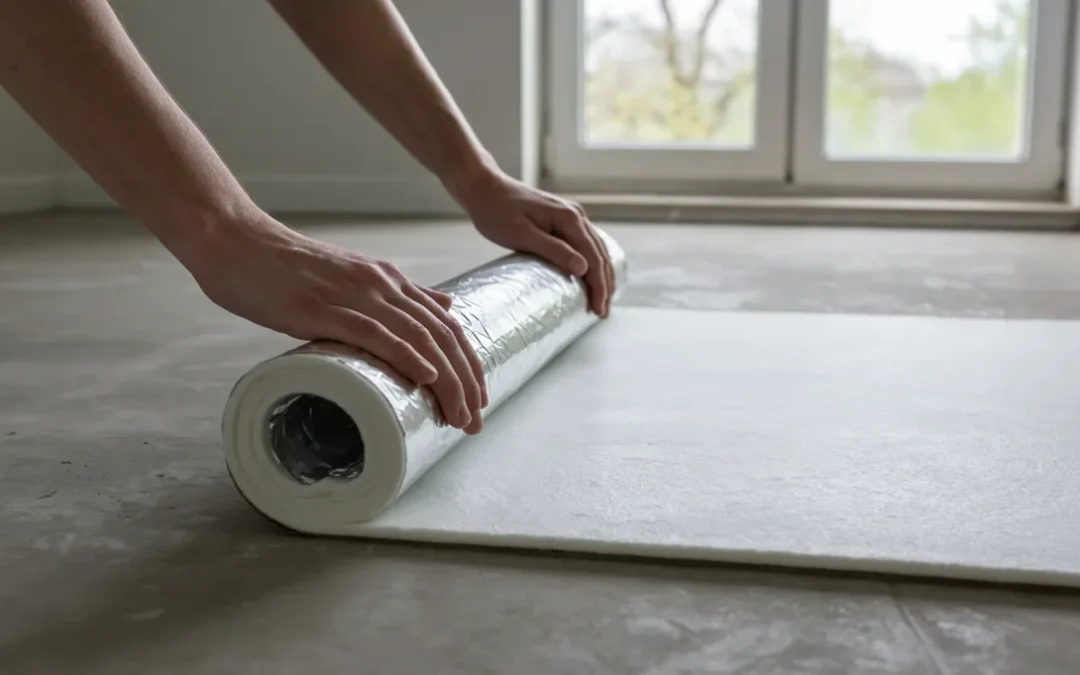
When installing laminate flooring, one of the most overlooked—but essential—components is the underlay. While it may not be visible once your floor is complete, the right underlay plays a major role in how your flooring performs, feels, and lasts over time.
In this guide, we’ll walk you through everything you need to know about laminate underlay, from its benefits to choosing the right type for your home.
What Is Laminate Underlay?
Laminate underlay is a layer of material installed between the subfloor and your laminate flooring. Its purpose is to provide support, protection, and enhanced performance for your flooring system.
Without proper underlay, even the highest-quality laminate flooring may not perform as intended.
Why Is Underlay Important?
Underlay isn’t just an optional extra—it’s a critical part of a successful flooring installation. Here’s why:
1. Improves Comfort Underfoot
Underlay adds a cushioning effect, making laminate flooring more comfortable to walk on and reducing the “hard” feel.
2. Reduces Noise
It helps absorb sound, minimising footstep noise and reducing sound transfer between rooms or floors—especially important in flats or multi-storey homes.
3. Provides Thermal Insulation
Underlay helps retain heat, making your home more energy-efficient and your floors warmer underfoot.
4. Protects Against Moisture
Certain underlays include a built-in vapour barrier that prevents moisture from rising up from the subfloor and damaging your laminate.
5. Extends Floor Lifespan
By absorbing impact and reducing stress on the laminate planks, underlay helps prolong the life of your flooring.
Types of Laminate Underlay
Choosing the right type of underlay depends on your property, subfloor, and specific requirements. Here are the most common options:
Foam Underlay
- Budget-friendly and widely used
- Provides basic cushioning and sound reduction
- Suitable for most domestic installations
Fibreboard Underlay
- Offers excellent thermal insulation
- Helps level minor imperfections in the subfloor
- Ideal for older properties
Rubber Underlay
- Premium option with superior soundproofing
- Highly durable and long-lasting
- Great for high-traffic areas or apartments
Underlay with Vapour Barrier
- Designed for moisture-prone areas
- Essential for concrete subfloors or ground floors
- Protects against damp and condensation
How to Choose the Right Underlay
Selecting the correct underlay depends on several key factors:
Subfloor Type
Concrete subfloors typically require a moisture barrier, while wooden subfloors may benefit more from insulation-focused underlay.
Room Usage
High-traffic areas may need more durable underlay, while bedrooms may prioritise comfort and warmth.
Noise Requirements
If sound reduction is important—especially in flats—consider rubber or high-density underlay.
Budget
There are options available at all price points, but investing in quality underlay can significantly improve long-term performance.
Common Mistakes to Avoid
When choosing and installing laminate underlay, avoid these common pitfalls:
- Using the wrong type of underlay for your subfloor
- Skipping a moisture barrier when installing over concrete
- Choosing the cheapest option without considering performance
- Incorrect installation, leading to uneven flooring
Getting these details right can make a big difference in the final result.
Do You Always Need Underlay?
In most cases, yes. While some laminate flooring products come with pre-attached underlay, additional underlay may still be recommended depending on your subfloor and performance needs.
Always check manufacturer guidelines or consult a flooring professional.
Professional Installation vs DIY
While laminate underlay can be installed as part of a DIY project, professional installation ensures:
- Correct underlay selection
- Proper subfloor preparation
- Accurate fitting for long-term durability
This reduces the risk of future issues and ensures your flooring performs as expected.
Final Thoughts
Laminate underlay may not be visible, but it plays a vital role in the success of your flooring. From improving comfort and insulation to protecting against moisture and wear, the right underlay can significantly enhance your laminate floor.
If you’re planning a new flooring project, taking the time to choose the correct underlay will ensure better results, greater comfort, and a longer-lasting finish.